9-11 October 2026
International Convention Centre Sydney

The Pool as the Brief: How Australians Are Bringing the Resort Home

There is a particular feeling that settles over you at a certain kind of property. It is not about size, exactly, or even cost. It is about atmosphere — the sense that every decision in the outdoor space was made with the same care and intention as the rooms inside. That the pool does not sit in the garden so much as the garden sits around the pool.

That feeling, once reserved for boutique stays and private villas, is now the brief for a growing number of Australian homeowners. And nowhere has set that standard more quietly or more completely than the Mornington Peninsula.
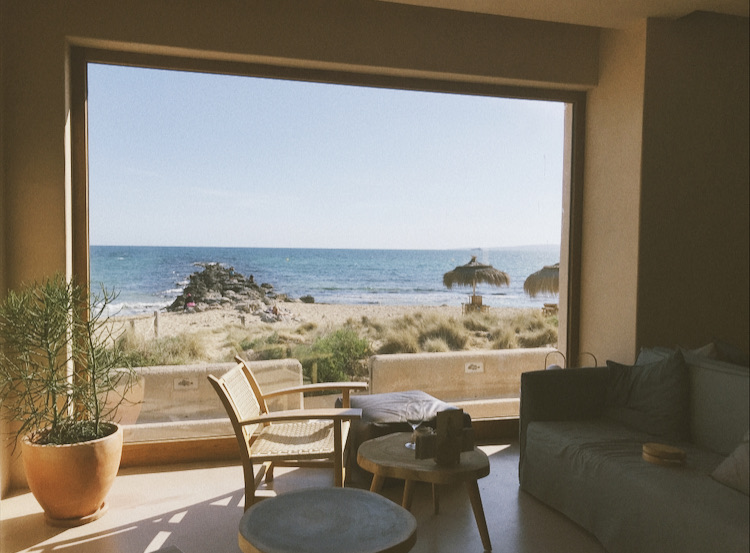
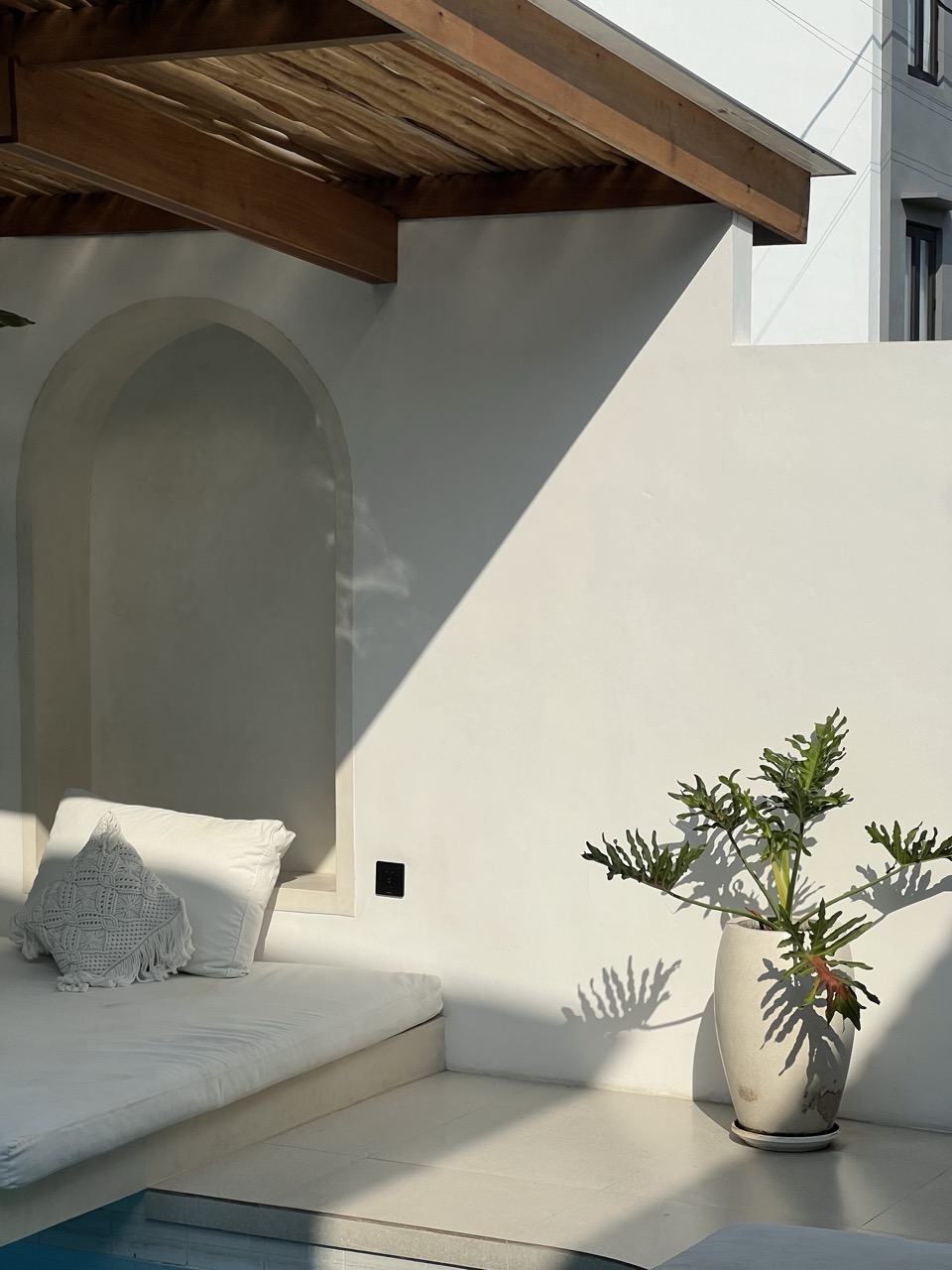
The Peninsula effect

Drive through Red Hill on a clear morning, or down the back roads of Sorrento toward the water, and you will understand immediately what has shifted in the conversation around outdoor living. The properties here have always had a particular quality — that unhurried, considered approach to space that makes a weekend feel twice as long and twice as restorative as it has any right to be.

The pool in these spaces is rarely the loudest element. It sits in the landscape as though it was always there, surrounded by native planting that feels generous without feeling managed, by stone that has been chosen for how it ages rather than how it photographs, by shade structures that are architectural without being intrusive. Everything in service of a single atmosphere rather than a collection of individual features.

That aesthetic has moved from the Peninsula into the broader Melbourne consciousness and it is not going back. The reference point for outdoor renovation briefs has shifted entirely — not the tiled suburban pool of a decade ago, but the private villa, the boutique stay, the place you spent a long weekend in and came home quietly rethinking everything about your backyard.


What the resort pool actually looks like

The defining characteristics of the resort-influenced pool are less about specific products and more about a set of principles applied consistently across the space.

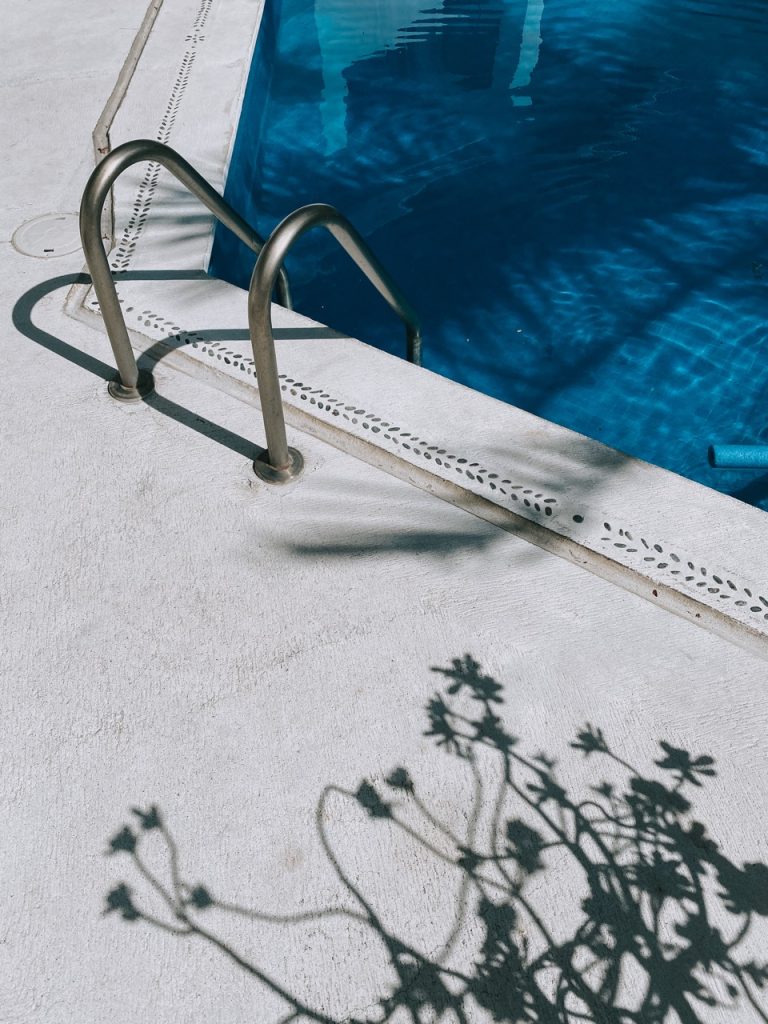
Dark-bottomed pools have become the signature of the considered outdoor space. Where the bright blue of a tiled pool once signalled luxury, it now reads as dated against the more sophisticated palette of natural stone surrounds and native planting. A dark finish — charcoal, slate, deep navy — absorbs the landscape rather than interrupting it, and reads differently across the day as light shifts and the water moves.

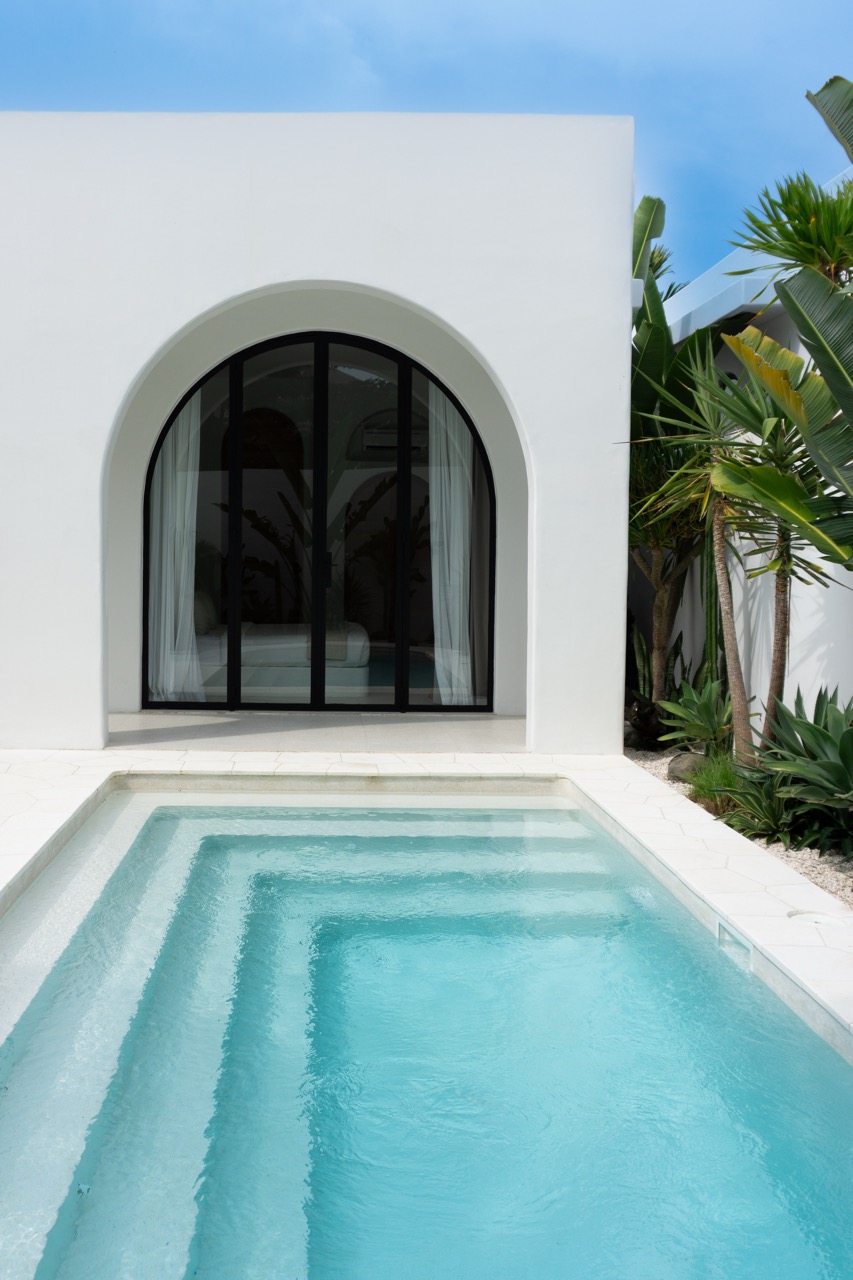
The surrounds matter as much as the water. Limestone, bluestone, travertine and honed granite are the materials appearing most consistently in the outdoor spaces worth returning to — chosen for tactility underfoot, for how they respond to weather over years, and for the way they sit against lush planting without competing for attention.

And then there is the planting. The resort pool does not sit in a manicured lawn. It is framed by layers — structural plants with genuine presence, mid-level planting that softens hard edges, ground cover that fills in over time and makes the space feel less installed and more grown. Native species feature heavily, both for their resilience in the Australian climate and for the particular quality of light they hold in the late afternoon.

The spaces that complete it

What separates a pool from a resort is everything that surrounds it. The outdoor shower tucked just out of sight. The shaded terrace with furniture chosen for how it feels rather than how it looks in a catalogue. The outdoor kitchen that makes the idea of going inside for dinner feel genuinely inconvenient.

These are the details that accumulate into atmosphere. None of them individually make the space — but together they create the sense that everything has been considered, that the outdoor space has been given the same brief as the interior rooms, and that being home is, in itself, a version of getting away.

The outdoor living spaces generating the most interest right now share a commitment to this idea. Not a single statement feature but a layered, considered environment where every element has a relationship with the ones around it.

The practical brief

For homeowners considering an outdoor renovation with a pool at its centre, a few principles from the spaces doing this best:

Start with the pool as the anchor and design outward. The orientation, the depth of the surround, the relationship between the water and the shade structure — these decisions shape everything else. Get them right before the planting or the furniture conversation begins.

Choose materials for longevity. The finishes that age well are almost always the ones that look better in ten years than they did on installation day. Natural stone, mature planting, quality outdoor timber: these are the investments that compound over time.

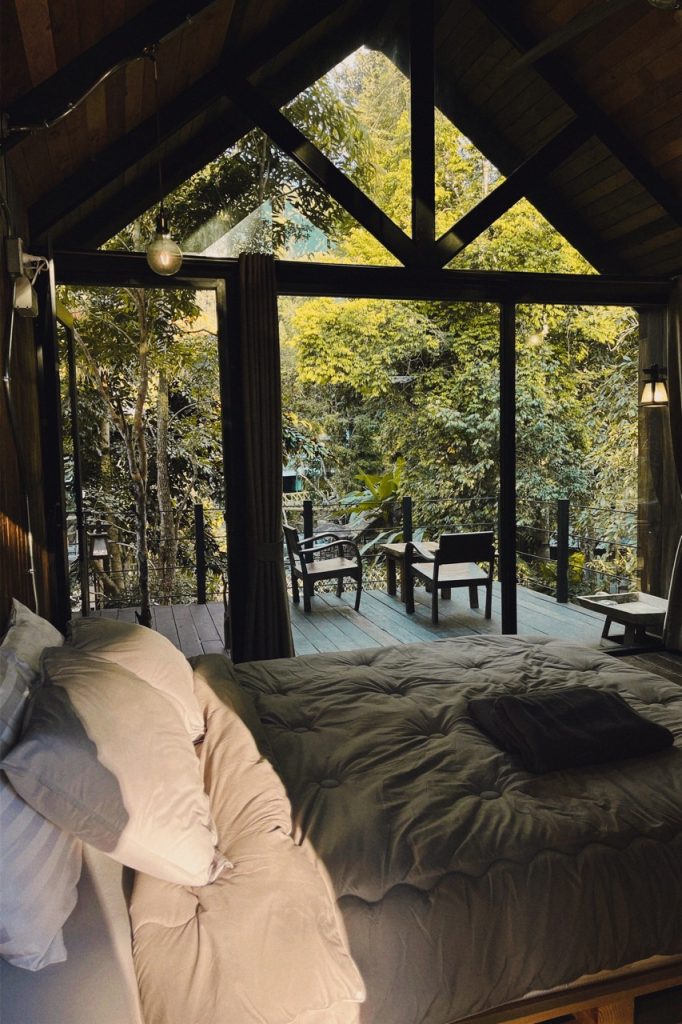
Consider the sightlines from inside. The best outdoor spaces work in relationship with the interior rooms that look out onto them. A pool that can be seen from the kitchen, the living room, the main bedroom — one that brings the outside in without doing anything at all — is worth planning for from the beginning.

Resist the urge to fill the space. The resort quality that people are drawn to is almost always partly about what is not there. Negative space in an outdoor setting, like a well-styled bookshelf, is what gives everything present room to breathe.

The shift toward resort-style outdoor living is not purely aesthetic. It reflects something broader about how Australians want to use their homes — as places of genuine restoration rather than simply shelter. The pandemic accelerated that conversation, but it has not slowed down in the years since.

The backyard pool, reconceived as the centrepiece of a considered outdoor environment, is one of the more significant shifts in how Australians are choosing to invest in their properties. The Peninsula showed us what was possible. The rest of Melbourne is catching up.