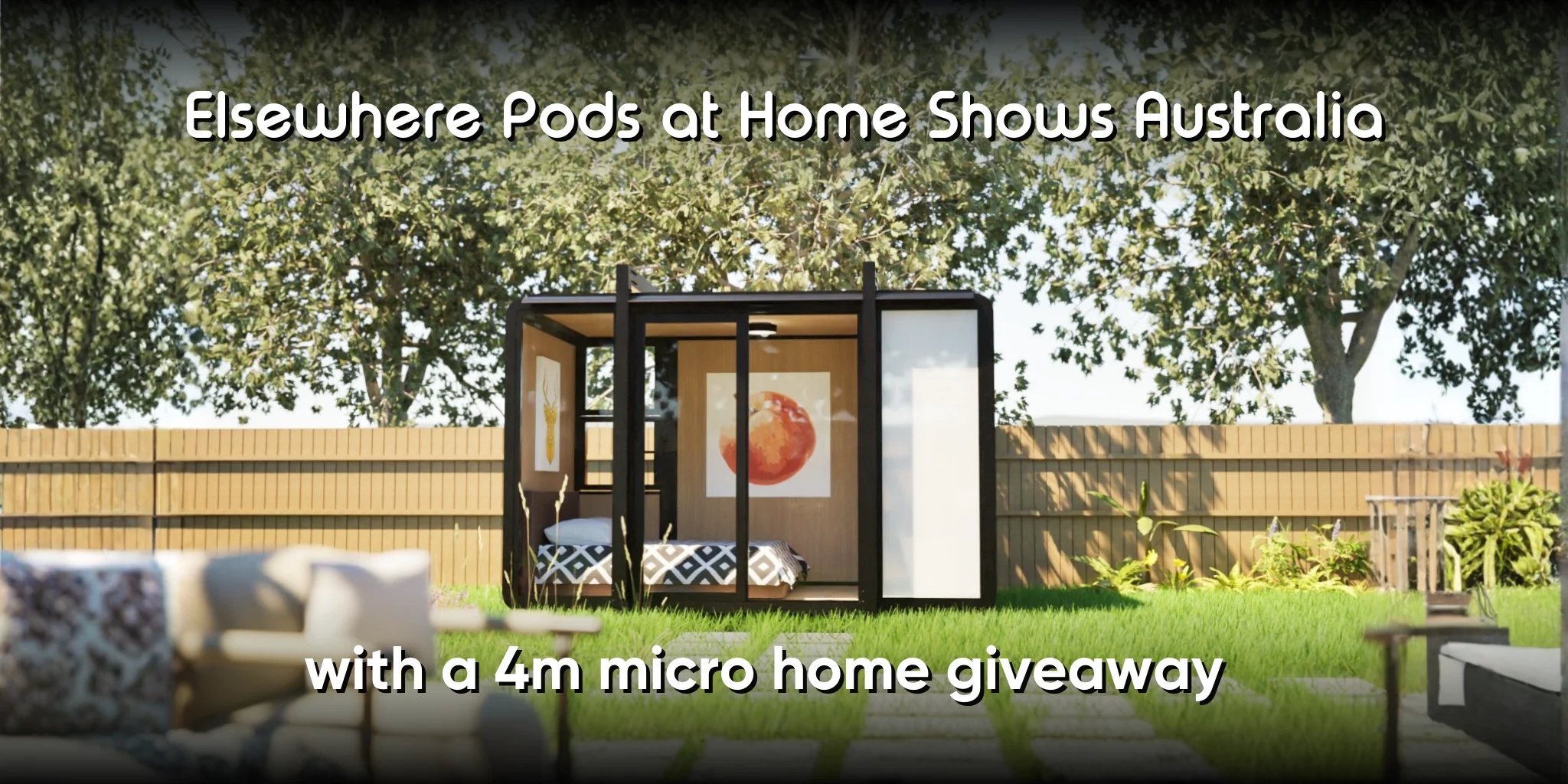
9-11 October 2026
International Convention Centre Sydney

Tiny Homes in QLD

Unlock Affordable Living with These Simple Rules!
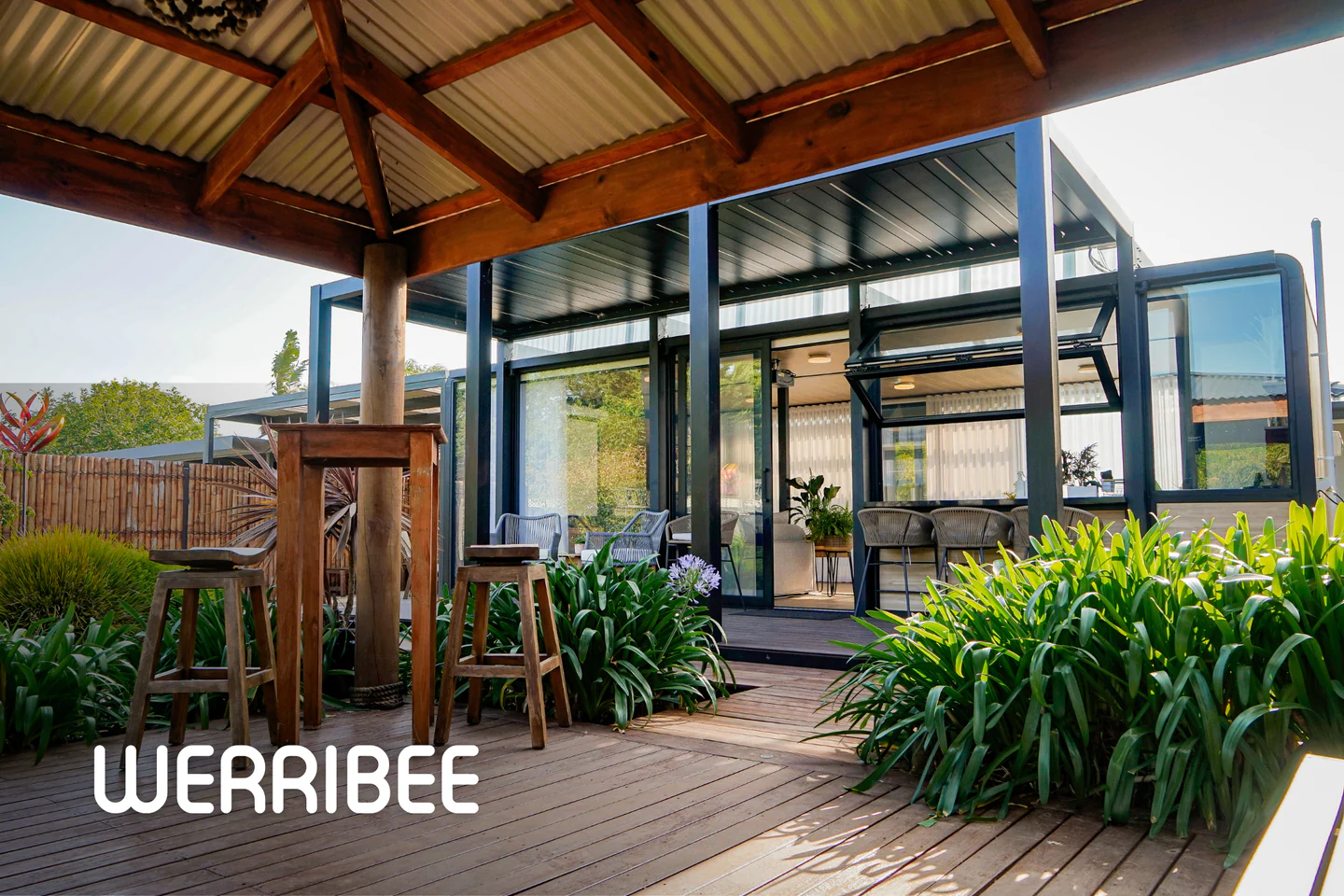
The tiny home movement is capturing imaginations across Queensland, offering a simpler, more affordable, and sustainable way of life. These compact dwellings are popping up in backyards and bush blocks, but navigating the rules can be confusing. If you’re dreaming of a tiny home, it’s vital to understand the legislation that governs them.
 
This guide will walk you through the key regulations for tiny homes in Queensland. We will explore the different types of tiny homes, the planning framework, and the approvals you need to get started. By the end, you will know what to consider when building or buying a tiny home in the Sunshine State.

What is a Tiny Home in Queensland?

Queensland’s planning framework doesn’t have a specific definition for a “tiny home.” Generally, they are understood to be very small, compact dwellings. For regulatory purposes, tiny homes fall into two main categories, each with its own set of rules.

1. Fixed Tiny Homes (The Permanent Kind)

A fixed tiny home is a permanent structure attached to the land. If it’s intended for someone to live in full-time and includes facilities like a kitchen, bathroom, and laundry, it’s considered a dwelling under the planning framework.
 
Because it’s a permanent home, a fixed tiny home must meet the same safety and quality standards as a traditional house. This ensures the health and security of its occupants.
 

2. Temporary Tiny Homes (The Mobile Kind)

A temporary tiny home is typically on wheels and is not permanently fixed to a site. These are often compared to caravans. Since they are moveable and not intended for permanent residence in one spot, they are regulated differently.
 
These homes are not considered suitable for permanent living under the building framework because they don’t have to meet the stringent requirements of the Building Code of Australia.

The Planning Framework for Tiny Homes

Understanding how tiny homes are regulated is the first step in your journey. The rules depend entirely on whether your tiny home is classified as a permanent dwelling or a temporary structure like a caravan.
Regulations for Fixed Tiny Homes

When a tiny home is fixed to the land and used as a permanent residence, it falls under Queensland’s planning, building, and plumbing laws. Depending on its use on the property, it could be classified as:
  • Dwelling house: The only residence on the lot.
  • Secondary dwelling: A smaller, second home on the same lot as a primary house (like a granny flat).
  • Dual occupancy: One of two dwellings on a single lot.

The good news is that for a single dwelling house or a secondary dwelling, you often don’t need planning approval from your local council, provided you meet the criteria in the Planning Regulation 2017. However, you will always need other critical approvals.

Approvals Needed for Fixed Tiny Homes

Even if you don’t need a council planning approval, you cannot skip these essential steps for a permanent tiny home:
  • Building Approval: All residential buildings need approval under the Building Act 1975. This ensures the structure complies with the Building Code of Australia, which covers everything from structural integrity and fire safety to energy efficiency and ventilation. A private certifier assesses this.
  • Plumbing and Drainage Approval: Under the Plumbing and Drainage Act 2018, you must get approval for all plumbing and drainage work. This is crucial for connecting to town water and sewer services or installing on-site sewerage systems.
These approvals are non-negotiable. They guarantee your home is safe, healthy, and legally compliant.

How Temporary Tiny Homes are Regulated

If your tiny home is on wheels and not connected to services like sewer and water, it’s generally considered a caravan. As such, it falls outside the planning and building frameworks for permanent housing.

These structures are regulated under the Transport Operations (Road Use Management) Act 1995 for road use. When it comes to parking it on a property and living in it, local government laws apply.

What About Multiple Tiny Homes on One Lot?

Placing multiple permanent tiny homes on a single property changes the game. This arrangement is generally considered a “multiple dwelling” under the planning framework. This type of development usually requires a planning approval from the local council.
 
The suitability of a multiple dwelling development depends heavily on the zoning of the land. It’s more likely to be approved in a residential zone than in a rural zone, where such density is generally not anticipated. Rural land is often not connected to town water and sewer, making it difficult to support multiple households.

Elsewhere Pods

Ready to see a tiny home in person? Elsewhere Pods will be at the Home Shows all year and one lucky visitor could walk away with a brand new 4m Micro Home. Visit homeshows.com.au to grab your free tickets.