6-8 March 2026
International Convention Centre Sydney

The Right Rug for Every Room with Pillow Talk

Not sure where to start with rugs?

Pillow Talk has you covered from living rooms to outdoor spaces, their latest guide takes the guesswork out of rug placement for every room in your home
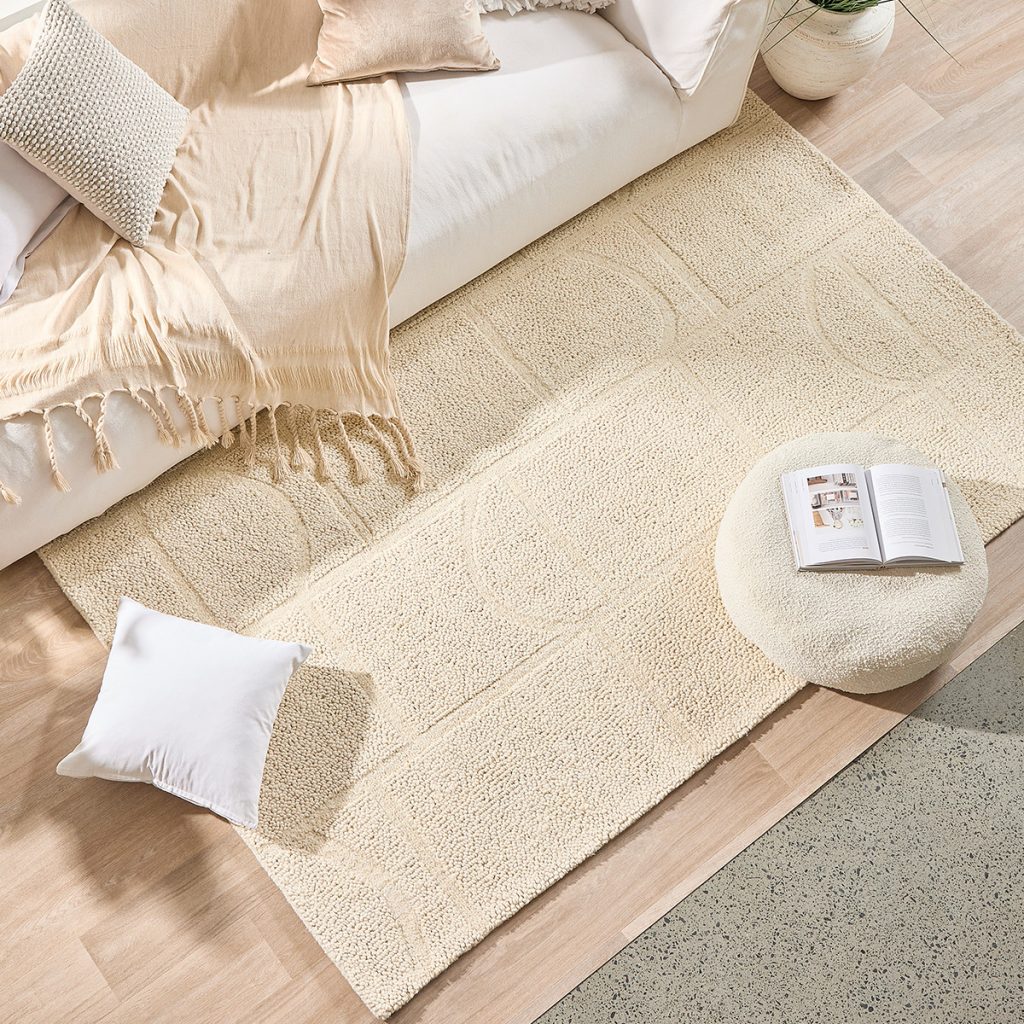
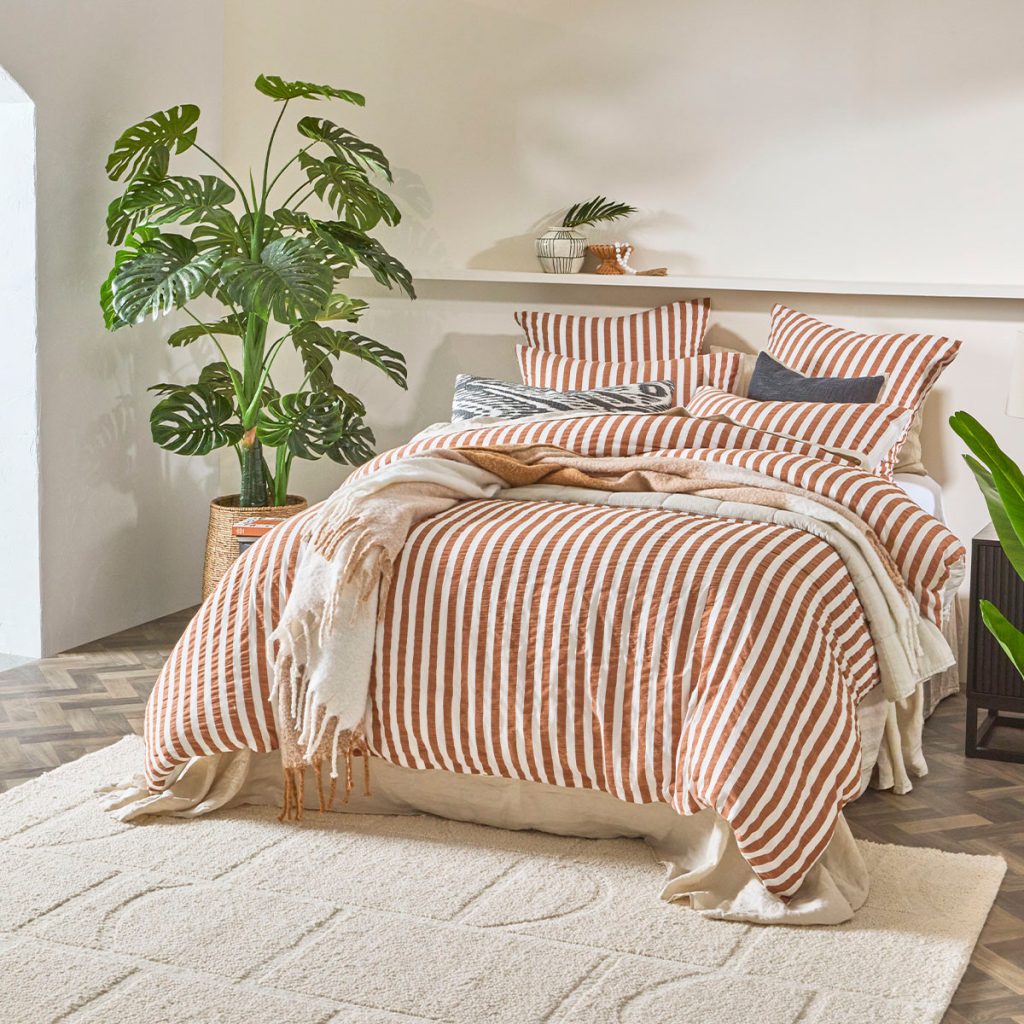
Rugs are a vital visual element of any space when it comes to interior design. They can be used to anchor furniture in large open spaces, absorb sound, protect floors, infuse style as well as be used as a tool to zone open plan areas and create a sense of purpose, connection and cohesion. With them being such a big piece of styling, it can seem a little overwhelming deciding how to place or style rugs in your home.

Rug Placement by Room

The Living Room

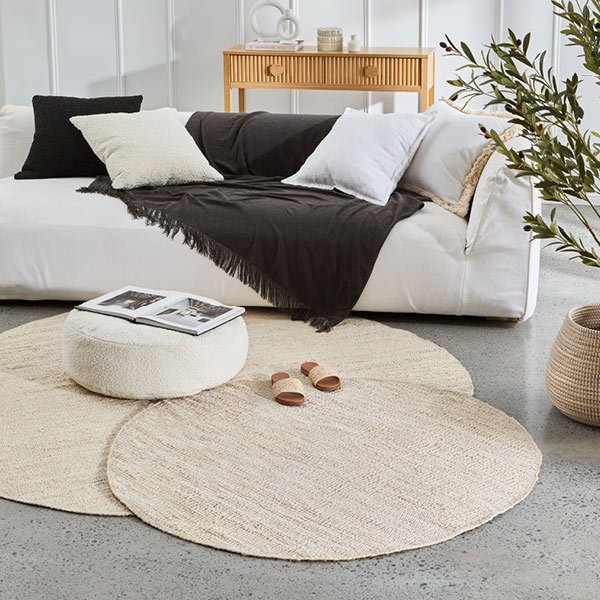
The living room is a central hub of the home and a space where people can come to converse, connect, relax and unwind. Rugs can be used to create a defined living room zone, particularly in open floorplan homes. Typically, rugs are styled in living rooms to draw the eye to the centre of the living room or highlight key visual elements like a fireplace, coffee table or wall art.
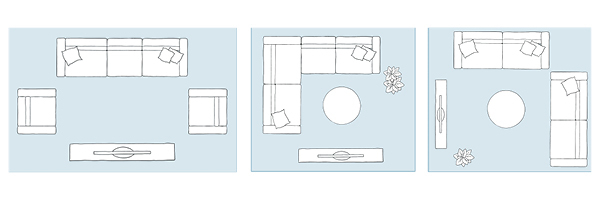
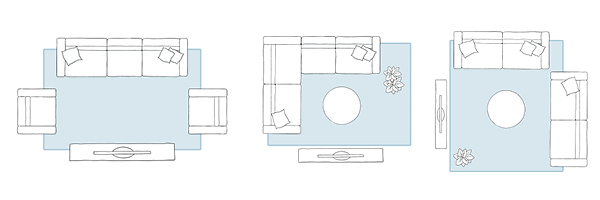
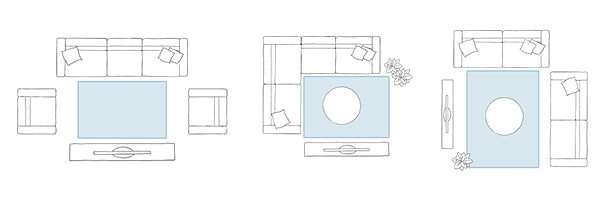
The most common options for rug placements in living rooms are as follows:

All furniture legs on the rug: Perfect for smaller living rooms or in large open plan spaces to create a distinct zone, placing all furniture on the rug can create a coordinated and cohesive look to the space. Anchoring each furniture piece on the rug connects each of the design elements together with the rug serving as a foundation for the seating arrangement.

Front legs of furniture on the rug: With only the front legs of furniture on the living room, this maximises the living room space to create a more open and airier feel. This is perfect for medium and large living rooms where there is more space to play with.

No furniture on the rug: Suitable for small rugs, by arranging furniture around the rug in the living room, this gives the rug a moment to shine in your space as a central focal point. This is a popular choice for smaller living rooms and helps to create an open feel with a more compact floorplan.

The Dining Room

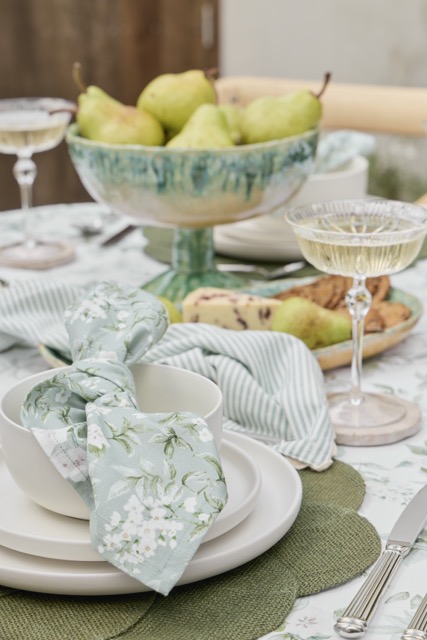
A well-chosen rug can elevate any dining room’s overall ambience and visual appeal by making the space both stylish and functional. Adding a rug to a dining room can define the space, add a sense of warmth and comfort, reduce noise reverberations, enhance style, and protect flooring when moving about the space.
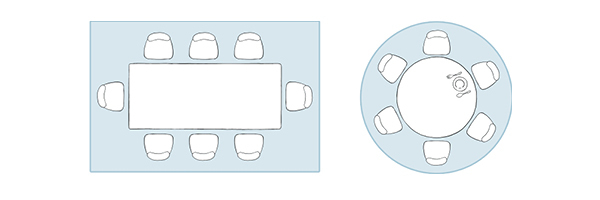
Dining room rug placement will depend on the shape of your space, dining table and rug. We recommend selecting a rug that is the same shape as your dining room table to mirror the dominant furniture piece and create a cohesive feel. For example, if your dining table is round, select a round rug for the space while a rectangular dining table should feature a rectangular rug underneath.

Select a rug that is large enough for guests to slide a dining chair in and out of the table and all four legs will remain on the rug. As a rule of thumb, typically 60cm is enough room to allow for this. Our stylists also recommend keeping the rug away from the walls with a gap of 30cm at a minimum.

When styling the rug in your dining room, centre the rug in the room and underneath the dining table to create symmetry and a visually pleasing layout.


The Bedroom Room

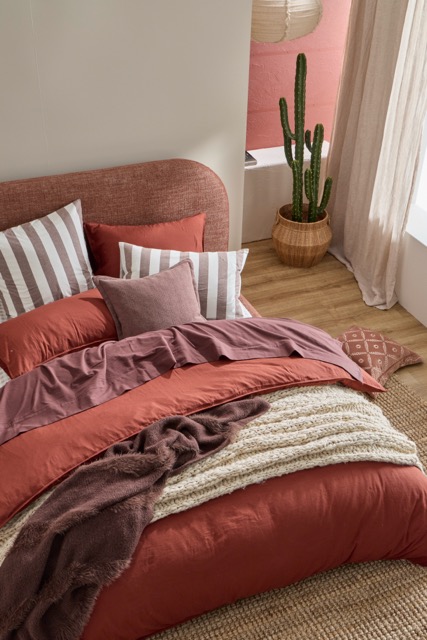
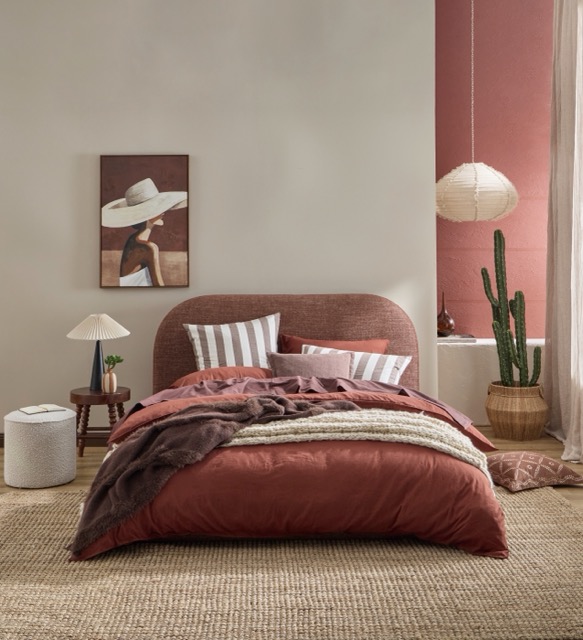
The bedroom is your sleep sanctuary and should be a tranquil space you can escape to an unwind from the day. Rugs provide a soft and plush layer underfoot to make your bedroom a more comfortable and cosy space. Outside of style, rugs in the bedroom can also help to define the space by visually anchoring the bed and creating cohesion between furniture from the bedside tables to seating and beyond. When placing a rug in the bedroom, we recommend choosing a large rug for the room that extends beyond the bed by 50cm – 70cm on all sides to a balanced and coordinated look.
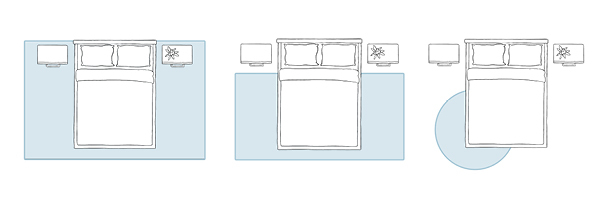
Similar to the living room, rugs can be placed in several styles in the bedroom:

All furniture on the rug: For large rugs, place under the bed and side tables in the centre of the rug to create a defined sleep space in your room.

Side tables off the rug: For smaller rugs, place the rug toward the end of the bed with the side tables off the rug and sitting on the floor. Aim for 70cm between the side of the bed and the rug.

Rug under bed corner: For small round rugs, you can also place the rug towards the end of the bed at the bed corner. This is a stylish way to add dimension to your bedroom without overwhelming it, so it’s perfect for smaller rooms.

The Kitchen and Laundry

Adding a rug to the kitchen or laundry room can bring comfort, style and practicality to these core spaces. For in front of the sink, washer or dryer, a small area rug can provide comfort underfoot while standing and protect the floor from spills. In terms of size and placement, be sure to select a rug that fits the intended area without overcrowding the space or cutting of drawers or cabinets from opening properly.
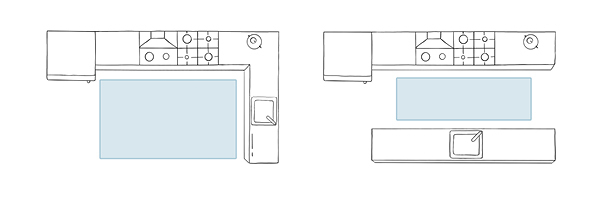
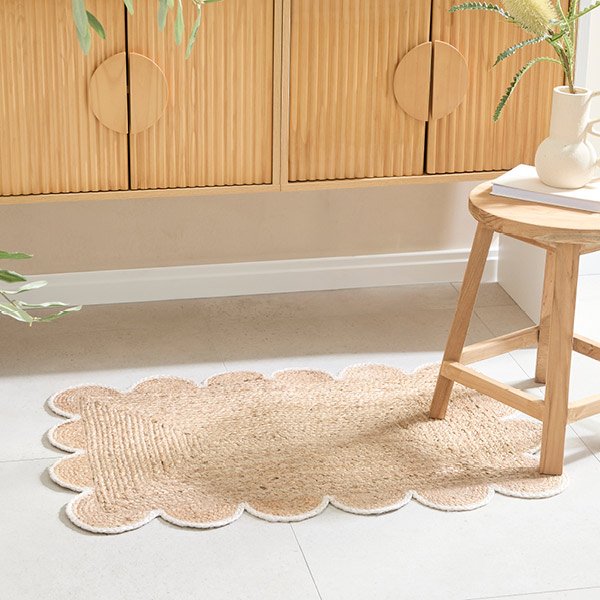
Walkways should feature a floor runner rug ideal for galley kitchens or smaller and narrower kitchens and laundries. This can visually create a clear path whilst adding a decorative style element to the space. Place the runner rug in the centre of the walkway or narrow space to create a balanced look.

For these spaces we recommend stain-resistant, low-pile or flatweave rugs for easy cleaning and durability. To keep floor runners and indoor mats in place and prevent accidents, we recommend popping an anti-slip rug underlay underneath.

Outdoor Space

Similar to a living room or open plan space, adding an outdoor rug to your balcony, patio, poolside or deck can help to anchor your exterior space.
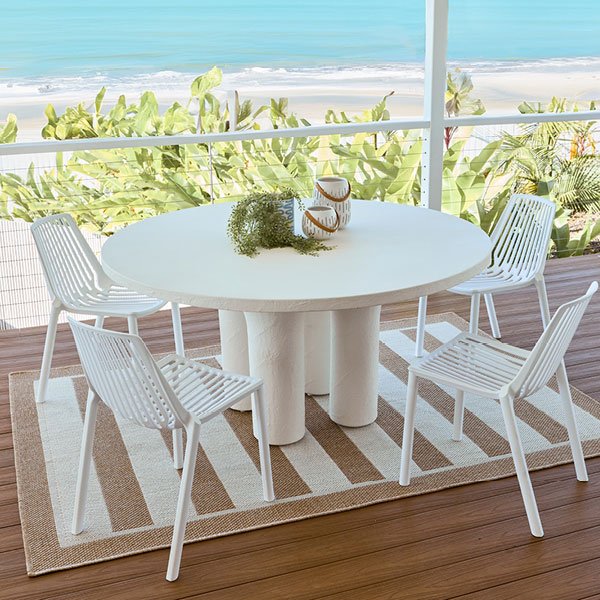
For patio, decks and balconies, rugs can be placed underneath seating arrangements such as lounge sets or dining tables to define the area. For placement, ensure the rug is large enough that the furniture legs or at the very least the front legs all fit on the rug depending on the size of the space.

For balconies, we recommend using a compact and small area rug to define a cosy corner or seating spot with a small table and chairs. We recommend ensuring there is enough room on your balcony to leave space around the rug’s edges for a balanced look.

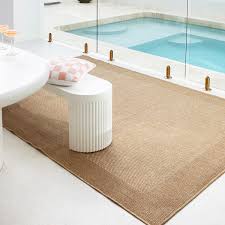
For poolside, depending on the space we recommend using an area rug under lounge chairs or a shaded seating area to ensure comfort and style. Make sure this won’t impact wet zones to prevent slips and accidents!

With placement, make sure the rug in centred underneath the corresponding furniture elements and has enough room once the furniture is placed on the rug to anchor and define the space correctly.

Whether you’re anchoring a living room, zoning an open plan space or adding warmth to a bedroom, Pillow Talk has the rugs, the know-how and the style to make every room feel complete.